
What to See at Glendalough: History and Natural Beauty Combined
Glendalough isn't just a walk — it's a journey through 1,400 years of Irish history. We explain what you'll encounter, the story behind each site, and why locals call it "the valley of two lakes."
More Than Just Lakes
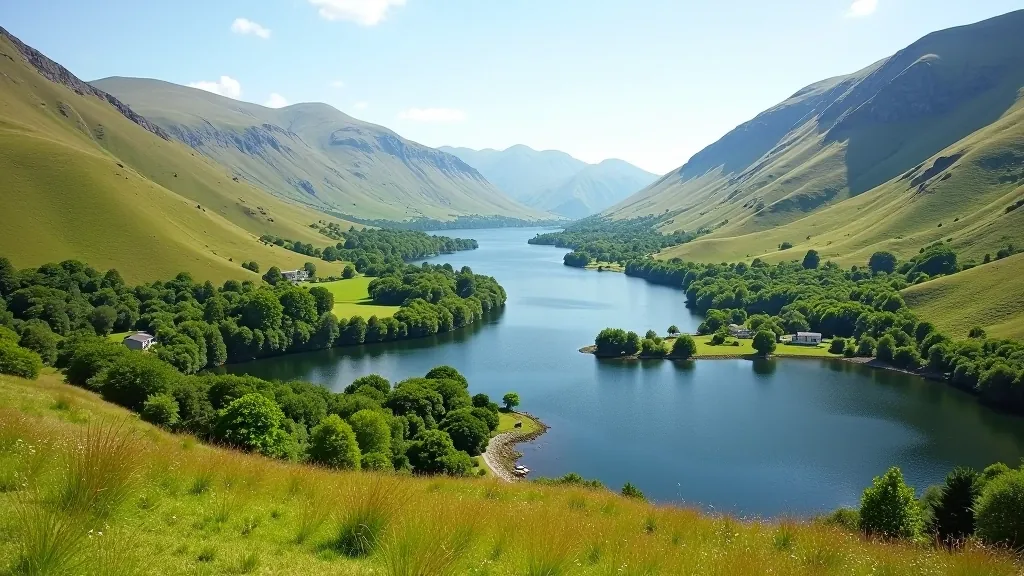
When you arrive at Glendalough, you're stepping into one of Ireland's most significant historical sites. The name itself tells the story — "Gleann Dá Loch" in Irish means valley of two lakes. But what makes this place truly special isn't just the stunning landscape. It's the stories embedded in every stone you'll encounter.
Saint Kevin founded a monastic settlement here around 600 AD. For centuries, monks lived, worked, and prayed in this remote valley. You'll see the evidence of their lives as you walk — round towers, ancient churches, carved crosses, and burial grounds. It's a living connection to Ireland's golden age of monasticism.
The Round Tower: Glendalough's Most Iconic Structure
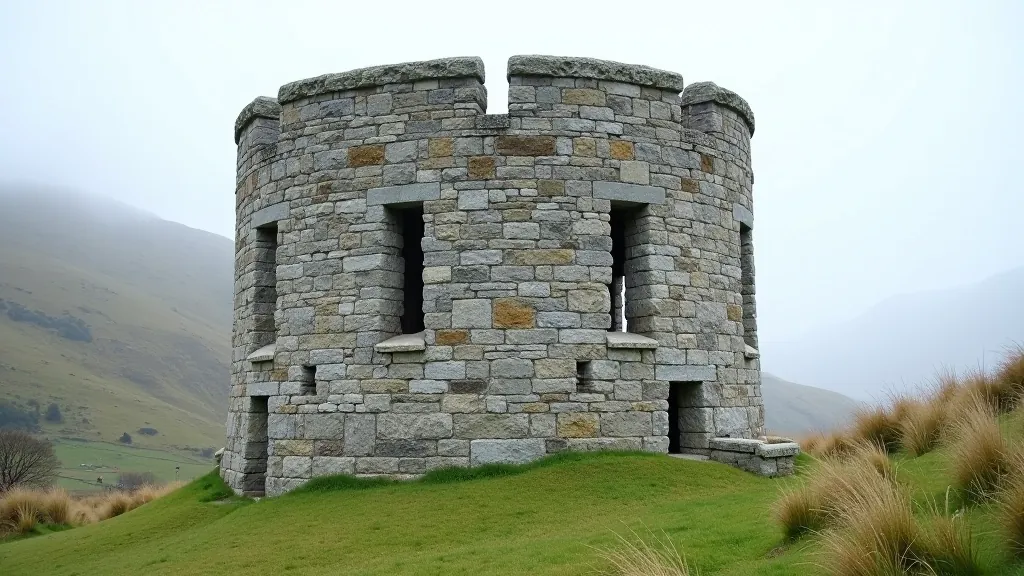
The 30-meter round tower stands like a sentinel over the valley. You'll spot it as soon as you approach the monastic site. These towers weren't just for show — they served multiple purposes. Monks used them as bell towers, refuge during raids, and storage for precious manuscripts and treasures.
Built in the 11th or 12th century, the tower's narrow doorway sits about 3 meters above ground level. This wasn't accidental. The height provided protection when attackers came. You won't climb inside — the interior is closed to visitors for safety reasons — but you can admire the intricate stonework and imagine the monks pulling themselves up through that small opening to reach the safety of the upper levels.
Pro tip: The tower's perfect round shape and tight stonework show incredible craftsmanship. Stand at different angles to see how the light plays off the weathered stone — photographers love this spot.
The Churches: Seven Centuries of Faith
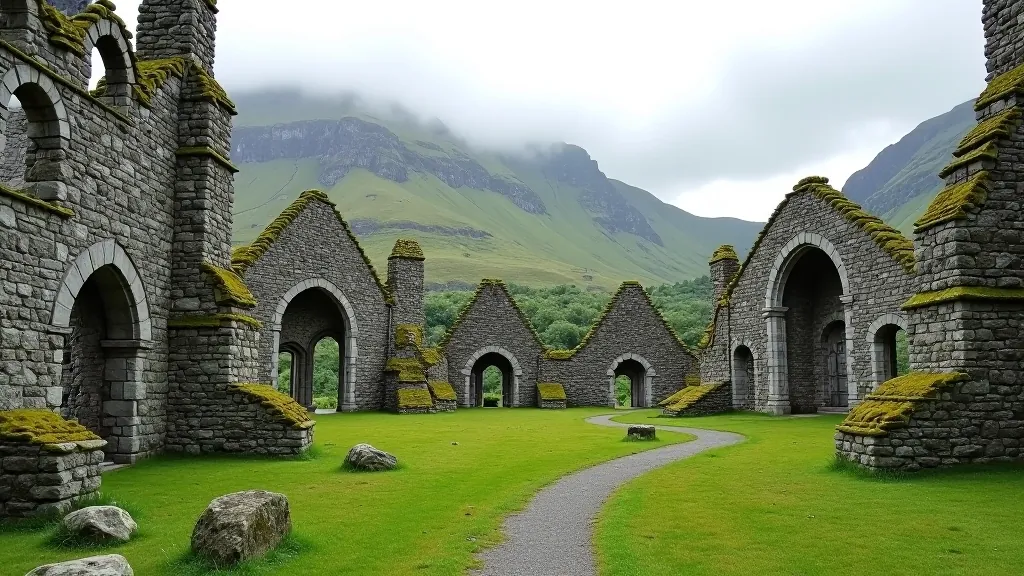
There aren't just one or two churches at Glendalough — there are several scattered throughout the site, each with its own history. The Cathedral of Saint Peter and Paul is the largest, though it's now just the remains of walls and arches. But don't let the ruins fool you. Walking through these spaces, you'll feel the weight of centuries.
Teampall na Skellig (Temple of the Rock) sits on a small rocky outcrop. It's tiny — about 4 meters by 3 meters — but perfectly preserved. Saint Kevin is said to have lived as a hermit in a cave here before the monastery grew around him. The walk to reach it takes just 15 minutes and isn't steep. Many visitors find this the most peaceful spot in the valley.
You'll also find Reefert Church, which dates to the 11th century and contains some of the finest Romanesque architecture in the area. The stone carvings around the doorway are still remarkably clear after 900 years. Each church tells a different chapter of Glendalough's story.
About This Information
The historical information presented here is based on archaeological research, monastic records, and established heritage site documentation. However, the history of Glendalough spans over 1,400 years, and some details remain debated among historians. This guide provides educational context to enhance your visit. For the most current site information, visiting conditions, and opening hours, check with the official Glendalough Visitor Centre before planning your trip.
The Natural Beauty: Why Saint Kevin Chose This Place
Saint Kevin didn't choose Glendalough by accident. The valley's dramatic landscape — steep mountains, pristine lakes, dense forests — provided both spiritual inspiration and practical isolation. You'll understand this the moment you arrive. The scenery alone is worth the visit.
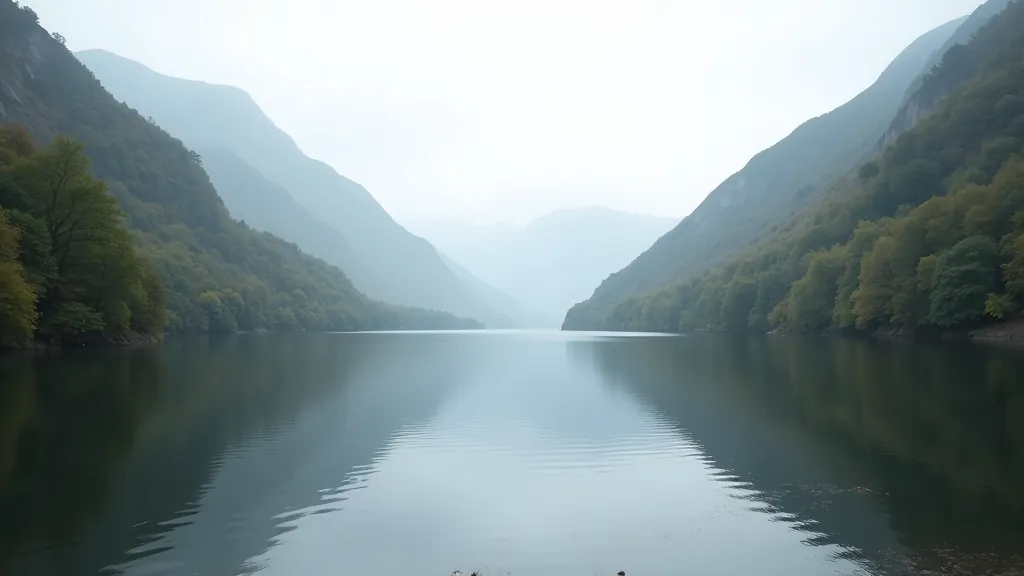
The Upper Lake sits about 1.5 kilometers from the main monastic site and offers something completely different from the historical buildings. The walk there follows a gentle path alongside the lower lake. You'll pass through oak and ash woodland, see where otters sometimes swim, and if you're lucky, spot red squirrels in the trees. The Upper Lake is ringed by mountains that rise almost vertically from the water — it's genuinely breathtaking.
Wildlife is abundant here. Red deer roam the hillsides (though they're shy and you won't always see them). The lakes are home to brown trout and Arctic char. Birds include buzzards, sparrowhawks, and the occasional golden eagle. Even if you're not a keen birdwatcher, you'll notice the sound of nature here — no traffic, no crowds, just wind through the trees and water lapping against the shore.
What to Expect When You Visit
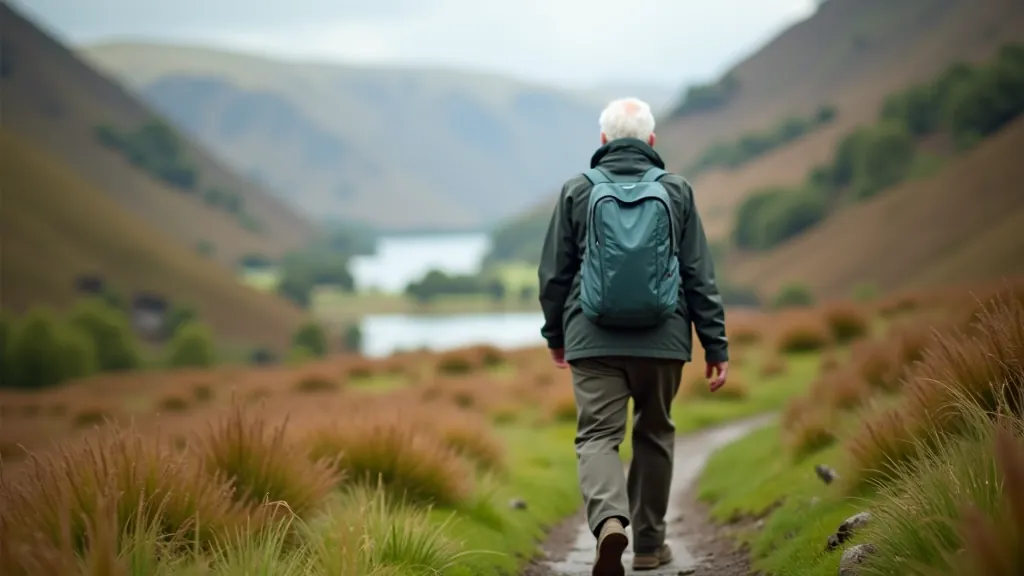
The monastic site itself is open year-round and free to access. There's a visitor centre with facilities, a café, and detailed information about the site's history. The main walking area is paved and well-maintained — perfect for walking shoes rather than hiking boots. You're not climbing steep terrain here.
Practical Information for Your Visit
Location
Near Laragh, County Wicklow, Ireland. About 60 kilometers south of Dublin. Easy to reach by car or bus. Parking is available at the visitor centre.
Weather & Timing
Irish weather is unpredictable — bring waterproof layers. Early morning or late afternoon offers the best light and fewer crowds. Spring and autumn are ideal seasons.
What to Wear
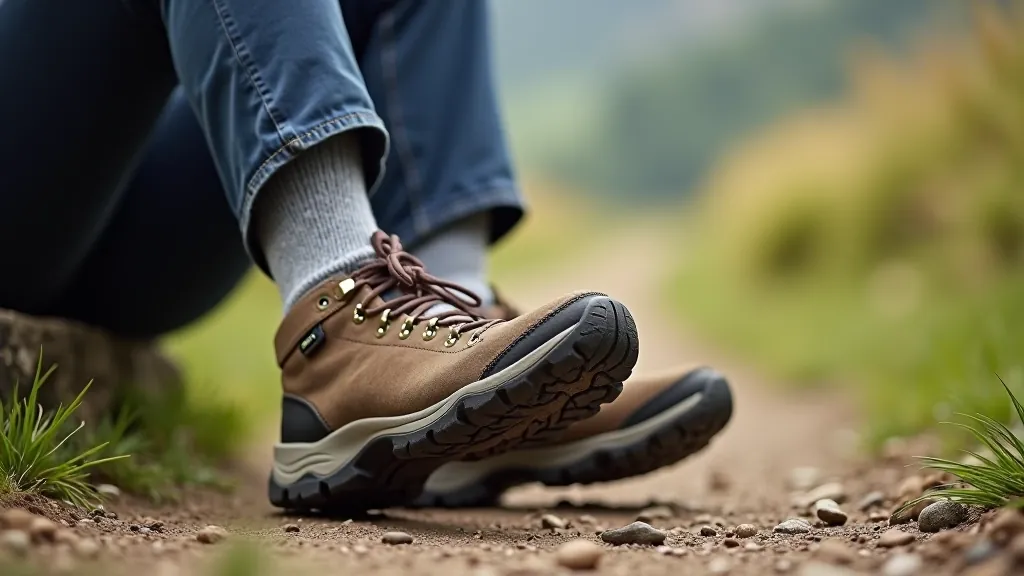
Good walking shoes with grip are essential — the paths can be wet and muddy. Dress in layers. A hat and sunscreen aren't optional, even on cloudy days.
Food & Rest
The visitor centre café serves refreshments. There are benches throughout the site for resting. Bring water and snacks if you plan to spend several hours walking.

Related Articles
Ready to Explore Glendalough?
Start with our complete lakeside trail guide to plan your visit. We'll help you prepare and make the most of your time in this remarkable place.
Read the Complete Trail Guide